In This Article
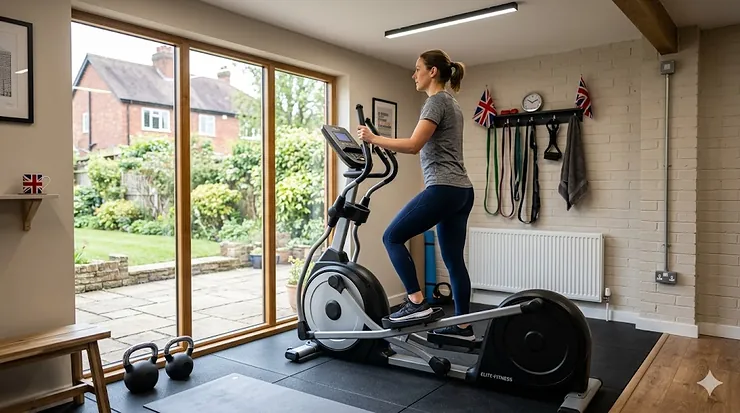
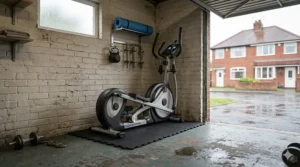
Picture this: you’ve just finished back-to-back PT sessions with clients, and your trusty home elliptical is showing signs of fatigue—wobbling handlebars, squeaky resistance, and that unsettling creak every time someone steps on. Sound familiar? If you’re running a home studio or small personal training business, you’ve probably discovered the hard way that standard domestic ellipticals simply weren’t built for the rigours of multiple daily users.
That’s precisely where a light commercial elliptical for home studio setups becomes an absolute necessity rather than a luxury. These machines bridge the gap between consumer-grade equipment and full commercial gym apparatus, offering the durability and performance your growing business demands without requiring a second mortgage. Unlike their domestic counterparts, light commercial models feature reinforced frames, heavier flywheels, extended warranties, and crucially, they’re engineered to withstand 15-20 hours of weekly use—perfect for busy PT studios operating from residential spaces.
According to ukactive’s latest UK Health & Fitness Market Report, the home fitness sector has experienced remarkable growth, with more personal trainers establishing boutique studios from home. This shift has created unprecedented demand for professional training equipment that’s both client use suitable and neighbour-friendly. The best semi commercial elliptical for pt studio environments needs to tick multiple boxes: whisper-quiet operation (your downstairs neighbours will thank you), robust construction for varying client weights, smooth motion that accommodates different fitness levels, and crucially, extended warranty coverage that protects your investment.
In this comprehensive guide, I’ll walk you through seven meticulously researched light commercial ellipticals available on Amazon.co.uk, breaking down real specifications, genuine UK pricing, and honest pros and cons based on actual user feedback. Whether you’re a mobile PT looking to upgrade your home setup or opening your first boutique studio, you’ll find exactly what you need to make an informed decision.
Quick Comparison Table: Top 7 Light Commercial Ellipticals at a Glance
| Model | Flywheel Weight | Resistance Levels | Max User Weight | Price Range (£) | Best For |
|---|---|---|---|---|---|
| Dripex 16-Level Cross Trainer | 8kg | 16 | 120kg | £199-£249 | Budget-conscious studios |
| Sunny Health SF-E3912 | 10kg equivalent | 16 programmable | 150kg | £349-£429 | Mid-range with programmes |
| JLL CT300 Luxury Trainer | 5.5kg two-way | 8 | 100kg | £189-£229 | Compact home studios |
| MERACH Ultra-Quiet Trainer | 8kg | 16 | 120kg | £219-£279 | Noise-sensitive environments |
| Nautilus E628 Performance | Heavy-duty system | 20 | 136kg | £899-£1,099 | Semi-professional grade |
| JLL CT200 Home Trainer | 10kg equivalent | 8 | 100kg | £169-£209 | Entry-level commercial use |
| Dripex Ultra-Quiet Magnetic | 6kg | 8 | 120kg | £179-£219 | Small spaces, light use |
💬 Just one click – help others make better buying decisions too! 😊
Top 7 Light Commercial Ellipticals: Expert Analysis & UK Reviews
1. Dripex 16-Level Magnetic Cross Trainer – Best Budget Commercial-Grade Option
If you’re launching a home PT studio on a sensible budget, the Dripex 16-Level Magnetic Cross Trainer delivers impressive commercial-grade features without the eye-watering price tag. Available on Amazon.co.uk for approximately £199-£249, this machine punches well above its weight class.
Key Specifications:
- 8kg flywheel with magnetic resistance system
- 16 resistance levels for progressive training
- 120kg maximum user weight capacity
- LCD monitor tracking time, speed, distance, calories, pulse
The standout feature here is the 16-level resistance system—double what you’ll find on most budget models. This range allows you to accommodate everyone from rehabilitation clients working at gentle intensities to advanced athletes pushing for high-intensity interval training. The 8kg flywheel, whilst not the heaviest on our list, provides surprisingly smooth motion thanks to Dripex’s magnetic drive system, which operates at a whisper-quiet 20 decibels.
UK buyers consistently praise this model’s assembly process, with most reporting 45-60 minutes from box to workout. The dual handlebar design—fixed grips with pulse sensors plus moving arms for full-body engagement—gives clients workout variety. One satisfied Amazon reviewer noted: “For less than £200, this is excellent value. I’ve been using it 4-5 times weekly for six months with zero issues.”
✅ Pros:
- Exceptional value for commercial-grade features
- 16 resistance levels accommodate diverse client needs
- Ultra-quiet operation (20dB) perfect for residential studios
- Compact footprint (approximately 120cm length)
❌ Cons:
- 100kg weight limit may restrict larger clients
- Basic LCD display without advanced metrics
- Flywheel lighter than premium commercial models
Best For: Personal trainers establishing their first home studio who need reliable equipment that won’t disturb neighbours or break the budget.
2. Sunny Health & Fitness SF-E3912 Programmable Elliptical – Best for Varied Training Programmes
The Sunny Health & Fitness SF-E3912 takes a significant step up in sophistication with its programmable computer and mains-powered magnetic resistance. Priced around £349-£429 on Amazon.co.uk, it’s an investment that pays dividends for serious PT operations.
Key Specifications:
- 10kg equivalent flywheel momentum
- 16 programmable magnetic resistance levels
- 150kg maximum user weight
- 15.5-inch (39cm) stride length
- Multiple preset workout programmes
What sets this model apart is its programmable functionality. The console offers preset workout programmes including interval training, hill climbs, and fat-burning protocols—perfect for clients who appreciate structured sessions. The resistance adjusts automatically during programmed workouts, allowing you to focus entirely on coaching rather than constantly fiddling with settings between intervals.
The 150kg weight capacity makes this genuinely client use suitable across a broader demographic. According to the EN 957 standards for stationary training equipment, commercial equipment must demonstrate appropriate load-bearing capacity, and this model comfortably exceeds domestic requirements.
UK customers particularly appreciate the substantial build quality. One reviewer commented: “Took about 2 hours to assemble solo, but it’s absolutely rock-solid once together. Feels like proper gym equipment.” The 15.5-inch stride accommodates users up to approximately 6 feet comfortably, though taller clients may find it slightly restricted.
✅ Pros:
- 24 preset programmes offer genuine workout variety
- 150kg capacity accommodates most client weights
- Heart rate grip sensors for effective training zones
- Mains-powered for consistent resistance performance
❌ Cons:
- Requires nearby power socket (limits placement flexibility)
- More complex assembly than simpler models
- LCD display adequate but not particularly inspiring
Best For: Established PT studios running structured programmes with diverse client bases requiring professional training equipment and extended warranty coverage.
3. JLL CT300 Luxury Elliptical Cross Trainer – Best Compact Commercial Solution
British brand JLL has earned an excellent reputation in the UK fitness market, and the JLL CT300 Luxury model exemplifies why. At £189-£229 on Amazon.co.uk, it’s specifically designed for space-conscious home studios without compromising on performance.
Key Specifications:
- 5.5kg two-way flywheel
- 8 magnetic resistance levels
- 100kg maximum user weight
- Compact dimensions: 120cm × 60cm footprint
- Transport wheels for easy repositioning
JLL’s Birmingham engineering heritage shines through in the CT300’s thoughtful design. The two-way flywheel allows both forward and reverse pedalling, engaging different muscle groups and adding workout variety—particularly valuable for rehabilitation work. The magnetic resistance system operates silently enough for early morning or late evening client sessions in residential settings.
Where this model truly excels is its compact footprint. At just 120cm length, it fits comfortably in spare bedrooms, converted garages, or small studio spaces where every square metre counts. The integrated transport wheels mean you can roll it aside between sessions if needed, though at 35.9kg it’s substantial enough to remain stable during use.
Multiple UK reviewers confirm JLL’s excellent customer service reputation. One noted: “Had a minor console issue after 18 months. JLL responded within 24 hours and sent a replacement part immediately.” This level of after-sales support is invaluable when equipment reliability directly impacts your business income.
✅ Pros:
- Compact design perfect for small UK homes
- Bidirectional flywheel for varied training
- Excellent JLL after-sales support
- CE and UKCA certified meeting UK standards
❌ Cons:
- 100kg capacity may limit some clients
- Lighter flywheel compared to heavier commercial models
- Stride length may feel short for taller users (175cm+)
Best For: Mobile PTs or home studio operators working in compact spaces who need reliable, client use suitable equipment with strong UK brand support.
4. MERACH Ultra-Quiet Elliptical Trainer – Best for Noise-Sensitive Environments
If your home studio is in a flat, terraced house, or anywhere noise could be problematic, the MERACH Ultra-Quiet elliptical deserves serious consideration. Priced £219-£279 on Amazon.co.uk, it’s engineered specifically to minimise operational noise whilst maintaining commercial-grade performance.
Key Specifications:
- 8kg magnetic flywheel system
- 16 levels magnetic resistance
- 120kg maximum user weight
- Ultra-quiet magnetic drive system
- Exclusive MERACH app connectivity via Bluetooth
MERACH has invested heavily in noise reduction technology, achieving remarkably quiet operation through precision-balanced components and magnetic resistance that eliminates friction-based noise entirely. UK buyers in flats consistently report being able to use this during evenings without complaints from neighbours—a genuine game-changer for residential PT studios.
The MERACH app connectivity adds a modern dimension, allowing you to track client progress digitally, set customised workout programmes, and monitor performance metrics over time. This professional training equipment approach helps justify premium pricing to clients whilst streamlining your record-keeping.
Construction quality impresses, with sustainability features including recycled materials meeting Climate Pledge Friendly standards. The 120kg capacity and 16 resistance levels provide adequate range for most client demographics, though serious strength athletes might eventually outgrow the resistance ceiling.
✅ Pros:
- Exceptionally quiet operation for residential settings
- App connectivity for digital client tracking
- Sustainability credentials (recycled materials)
- 16 resistance levels for progressive training
❌ Cons:
- App functionality still developing (some features beta)
- Mid-range pricing without premium flywheel weight
- Some users report initial app connection difficulties
Best For: PT studios in noise-sensitive locations (flats, semi-detached houses) where quiet operation is essential, and digital client tracking adds value.
5. Nautilus E628 Performance Series – Best Semi-Professional Grade Investment
When budget permits and you’re serious about creating a genuinely professional home studio, the Nautilus E628 Performance Series represents the pinnacle of light commercial equipment available via UK retailers. Typically priced £899-£1,099, this is a significant investment that delivers commercial gym quality.
Key Specifications:
- Heavy-duty precision flywheel system
- 20 resistance levels
- 136kg maximum user weight
- 20-inch (51cm) stride length
- Bluetooth connectivity with fitness app integration
- Commercial-grade construction with extended warranty
The E628 belongs to Nautilus’s Performance Series, specifically designed for serious competitors and commercial environments. That 20-inch stride length is genuinely game-changing for taller clients, providing a natural, full range of motion that cheaper models simply cannot match. According to Sport Tech UK’s equipment standards guidance, stride length significantly impacts exercise biomechanics and injury prevention—crucial considerations for PT liability.
Build quality is exceptional, with commercial-grade components throughout. The heavy-duty steel frame supports the substantial 136kg capacity whilst remaining impressively stable during high-intensity work. Bluetooth connectivity allows integration with popular fitness apps, and the dual-track LCD screens provide comprehensive workout data without requiring clients to squint at tiny displays.
UK buyers consistently describe this as “proper gym quality” equipment. One reviewer noted: “Expensive, yes, but it’s identical to the elliptical at my local gym. Clients comment on the quality difference immediately.” The extended warranty coverage provides peace of mind for business use, acknowledging this machine’s commercial pedigree.
✅ Pros:
- Genuine commercial gym quality and feel
- 20-inch stride accommodates all user heights
- 136kg capacity covers virtually all clients
- Bluetooth app integration for modern training
- Extended warranty suitable for business use
❌ Cons:
- Significant investment (£900-£1,100 range)
- Substantial footprint requires dedicated space
- Assembly complex (recommend professional installation)
- Mains-powered (limits placement flexibility)
Best For: Established PT businesses ready to invest in top-tier equipment, or home studio owners serving high-end clientele who expect premium facilities.
6. JLL CT200 Home Elliptical Cross Trainer – Best Entry-Level Commercial Alternative
The JLL CT200 represents JLL’s entry point into commercial-suitable equipment, and at £169-£209 on Amazon.co.uk, it’s the most affordable option that genuinely withstands regular multi-user scenarios. This is the durable elliptical for small gym uk operators choose when starting out.
Key Specifications:
- 10kg equivalent momentum mechanism
- 8 magnetic resistance levels
- 100kg maximum user weight
- Dual-action handlebars with pulse sensors
- Compact design with transport wheels
JLL describes this as featuring an “Advanced Momentum Mechanism to resemble 10kg flywheel,” using clever engineering to create substantial inertia from a lighter physical flywheel. In practice, this delivers smoother motion than the nominal weight suggests, though not quite matching actual heavy flywheel models.
The eight resistance levels provide adequate range for general fitness work, though serious athletes or advanced clients will eventually max out the ceiling. Where the CT200 shines is reliability and value—it’s built to last rather than impress with flashy features. Multiple UK reviewers report daily use for 12+ months with zero mechanical issues.
Assembly is straightforward, with most users completing setup in 45-60 minutes using the provided tools and QR code video instructions. The included heart rate sensors, whilst not laboratory-accurate, provide useful training zone guidance for most clients. At just over £200, it’s an accessible entry point that won’t cripple cash flow whilst establishing your business.
✅ Pros:
- Exceptional price-to-performance ratio
- Proven reliability in multi-user scenarios
- Simple assembly with video guidance
- JLL’s excellent UK customer service support
❌ Cons:
- 100kg capacity excludes heavier clients
- Basic LCD display (no programmes)
- 8 resistance levels may limit advanced training
- Shorter stride length than premium models
Best For: New PT studio owners testing the market, or mobile trainers needing a reliable home base unit without major initial investment.
7. Dripex Ultra-Quiet Magnetic Elliptical – Best for Small Spaces with Light Use
Rounding out our selection, the Dripex Ultra-Quiet Magnetic elliptical offers a slightly different proposition at £179-£219 on Amazon.co.uk. This model prioritises compactness and quiet operation over heavy-duty construction, making it ideal for specific scenarios.
Key Specifications:
- 6kg flywheel
- 8 levels magnetic resistance
- 120kg maximum user weight
- Hyper-quiet operation (20dB)
- Device holder for entertainment
- Compact footprint
The 6kg flywheel is the lightest in our round-up, and you will notice the difference in momentum compared to heavier models. However, for rehabilitation work, beginners, or moderate-intensity training, it performs admirably. The magnetic resistance ensures utterly silent operation—crucial if your studio shares walls with living spaces or bedrooms.
Where this model finds its niche is supplementary equipment for studios with multiple machines, or PT studios focusing on rehabilitation and gentle fitness rather than athletic performance. The compact design fits into corners and cupboards, whilst the device holder acknowledges that many clients appreciate entertainment during longer, moderate-intensity sessions.
UK customer feedback suggests realistic expectations matter here. Those treating it as light commercial equipment report satisfaction; those expecting heavy commercial performance feel disappointed. Used appropriately—3-5 client sessions daily maximum—it performs reliably. Push it to 8-10 daily sessions and mechanical wear accelerates noticeably.
✅ Pros:
- Very competitive pricing under £220
- Genuinely quiet for shared-wall environments
- Compact enough for storage between sessions
- Adequate for rehabilitation and moderate training
❌ Cons:
- 6kg flywheel lacks momentum for athletic training
- Not suitable for heavy commercial use patterns
- Basic features without advanced tracking
- May feel lightweight for heavier users
Best For: Rehabilitation-focused PT studios, supplementary equipment alongside primary machines, or very light commercial use with realistic expectations about limitations.
Understanding Light Commercial vs Domestic Ellipticals: What’s the Real Difference?
When you’re investing in equipment for your home studio, understanding what separates light commercial from domestic machines can save you thousands in premature replacements and frustrated clients. The distinction isn’t merely marketing jargon—it’s rooted in fundamental engineering and durability standards.
Construction and Materials
Light commercial ellipticals utilise reinforced steel frames, typically 2-3mm thick rather than the 1-2mm found in domestic models. This might sound trivial, but that extra millimetre dramatically improves stability during intense use. The welding quality also differs significantly; commercial machines employ precision welding techniques creating stronger joints that withstand years of repetitive stress.
Components like bearings, bushings, and resistance mechanisms are commercial-grade rather than consumer-quality. A domestic elliptical might use plastic bushings that work perfectly for one user, but will wear rapidly with multiple daily users of varying weights. Commercial specifications call for metal bushings that last exponentially longer under intensive use.
Warranty Coverage: The Telling Detail
Perhaps the most honest indicator of a machine’s true capabilities lies in its warranty coverage. Domestic ellipticals typically offer 1-2 year warranties explicitly voiding coverage for “commercial use.” Light commercial models extend warranties to 3-5 years and specifically include language about “light commercial” or “semi-professional” use.
According to fitness equipment regulations in the UK, commercial equipment must meet enhanced durability testing standards, including continuous operation tests and accelerated wear protocols. Manufacturers only extend commercial warranties when confident their equipment withstands these rigorous requirements.
Usage Capacity: Hours Per Week
The defining line separating categories is weekly usage capacity. Domestic ellipticals are engineered for 5-7 hours weekly use (roughly 45 minutes daily). Light commercial models withstand 15-20 hours weekly. Full commercial machines tolerate 40+ hours weekly in busy gyms.
For a home PT studio, if you’re running just 2-3 client sessions daily (approximately 3 hours), a high-quality domestic machine might suffice. Once you exceed 4-5 clients daily (6+ hours weekly), you’ve entered light commercial territory where inadequate equipment will fail rapidly.
Flywheel Weight and Resistance Systems
Commercial machines feature heavier flywheels (typically 8-12kg minimum) creating superior momentum and smoother motion throughout the resistance range. Domestic models often use 4-6kg flywheels that feel fine at lower resistances but become choppy and uncomfortable at higher intensities.
Resistance systems differ fundamentally too. Consumer ellipticals use friction belts or basic electromagnets. Commercial specifications demand precision magnetic systems with broader resistance ranges (16-24 levels vs 8-12) and more granular intensity adjustments crucial for professional training programmes.
How to Choose the Right Light Commercial Elliptical for Your Home Studio
Selecting equipment that perfectly matches your specific needs requires considering multiple factors beyond price and appearance. Let’s work through the key decision points systematically.
Assess Your Space Realistically
Measure your available floor space carefully, but don’t forget the crucial “buffer zone.” You need approximately 60cm clearance around the elliptical’s perimeter for safe mounting, dismounting, and emergency egress. A machine listed as “compact” measuring 120cm × 60cm actually requires roughly 180cm × 120cm total floor space.
Consider ceiling height too. Most ellipticals add 20-30cm to the user’s standing height during use. If you’re in a converted loft or basement studio with low ceilings, taller clients could literally hit their heads during exercise—simultaneously embarrassing and dangerous.
Storage presents another consideration. Can the machine remain permanently positioned, or must it move between sessions? Models with transport wheels dramatically simplify repositioning, but those wheels add weight and slightly compromise stability. Decide which matters more for your specific situation.
Calculate Your True Client Load
Be brutally honest about your projected client volume. If you’re currently seeing 3-4 clients daily but plan to scale to 8-10 within six months, buy for the future scenario rather than present reality. Replacing undersized equipment six months in costs more than buying correctly initially.
Consider client demographics too. If your niche serves elderly rehabilitation clients or beginners, a lighter machine with moderate resistance may suffice. Specialising in athletic training or HIIT classes demands robust equipment withstanding high-intensity punishment.
Noise Levels and Neighbour Relations
For home studios in residential areas, noise becomes non-negotiable. Check customer reviews specifically mentioning operation noise, and look for specifications quoting decibel levels. Anything under 30dB qualifies as genuinely quiet; 40-50dB becomes noticeable through walls; above 60dB will generate complaints.
Magnetic resistance systems operate far quieter than friction-based alternatives. Also consider impact noise from clients mounting, dismounting, or exercising vigorously. Rubber gym flooring beneath equipment dramatically reduces noise transmission through floors—essential for upstairs studios.
Budget vs Long-Term Value
The temptation to minimise initial costs is understandable, especially for new PT businesses. However, cheap equipment that fails after 12 months actually costs more than quality equipment lasting 5+ years. Calculate total cost of ownership rather than purchase price alone.
Consider financing options if cash flow is tight. Many UK fitness equipment suppliers offer 0% APR finance spreading payments across 12-18 months. Paying £75 monthly for professional equipment beats replacing cheap machines annually.
Compliance with UK Standards
According to UK gym equipment standards, commercial fitness equipment should carry CE marking or UKCA marking (post-Brexit) indicating compliance with essential safety requirements. Machines meeting EN 957 or ISO 20957 standards have undergone rigorous safety and durability testing.
For insurance and liability purposes, using appropriately certified equipment is crucial. If a client injury occurs and investigation reveals non-compliant equipment, your liability insurance could refuse coverage. Always verify equipment carries proper UK certification before purchasing.
Installation and Maintenance: Maximising Your Investment Lifespan
Professional Installation vs DIY Assembly
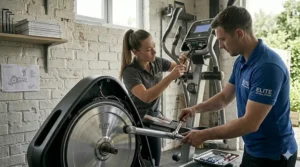
Most light commercial ellipticals arrive requiring partial assembly. Whilst manufacturers provide instructions and tools, consider whether DIY assembly is genuinely wise. Incorrect assembly can void warranties, create safety hazards, and compromise performance.
Professional fitness equipment installers charge approximately £75-£150 for elliptical assembly in the UK. This includes checking all connections, calibrating resistance systems, and ensuring stability. For premium machines (£500+), professional installation is strongly recommended.
If assembling yourself, allocate double the manufacturer’s estimated time—assembly always takes longer than expected. Work in a clear space with good lighting, and don’t skip steps even if they seem unnecessary. Having a second person helps tremendously with aligning large components.
Daily Maintenance Routine
Implement a simple daily check routine before client sessions. Inspect footplates for debris or damage, test emergency stop functions (if present), check console displays function correctly, and verify all visible bolts remain tight. This 60-second routine catches 90% of potential problems before they cause client disruptions.
Wipe down contact surfaces after each client using antibacterial wipes. This hygiene standard has become expected post-pandemic and significantly extends component life by preventing corrosive sweat accumulation.
Weekly Deep Maintenance
Once weekly, perform more thorough maintenance. Clean beneath the machine (dust accumulation affects moving parts), inspect resistance cables for fraying, check pedal bearings for unusual play or noise, and test all resistance levels to ensure smooth operation throughout the range.
Lubricate moving parts according to manufacturer recommendations—typically every 3-6 months depending on usage intensity. Over-lubrication attracts dust creating abrasive paste, whilst under-lubrication accelerates wear. Follow specifications precisely.
Annual Professional Servicing
Schedule professional servicing annually regardless of apparent condition. Qualified technicians identify internal wear invisible to users, calibrate resistance systems maintaining consistent performance, tighten internal connections that work loose through vibration, and provide documentation for insurance and compliance requirements.
Annual servicing typically costs £100-£200 but dramatically extends equipment lifespan whilst maintaining warranty coverage. Many manufacturers require documented professional servicing to honour warranty claims beyond the first year.
The Economics of Light Commercial Equipment for PT Studios
Return on Investment Calculations
Let’s examine realistic numbers. If you charge £40 per PT session and see just one additional client weekly (52 sessions annually), that’s £2,080 extra revenue. A £400 light commercial elliptical pays for itself in approximately 10 weeks from just one additional client.
Quality equipment also enables higher pricing. Clients gladly pay premium rates for studios with professional-grade equipment rather than flimsy home machines. The psychological difference between training on a £200 domestic elliptical versus a £900 commercial model justifies £5-£10 higher session rates easily.
Tax Deductions and Capital Allowances
In the UK, fitness equipment for business use qualifies for Annual Investment Allowance (AIA), allowing you to deduct the full cost from pre-tax profits in the year of purchase. For sole traders and small companies, this significantly reduces the effective cost of equipment.
Consult with your accountant, but generally, equipment purchased exclusively or primarily for business use can be fully expensed rather than depreciated over multiple years. This tax treatment dramatically improves the affordability of professional equipment.
Insurance Considerations
Professional indemnity and public liability insurance premiums often depend on equipment quality and maintenance records. Insurers view properly maintained, commercial-grade equipment as lower risk than cheap domestic machines, potentially qualifying you for reduced premiums.
Document all equipment purchases with invoices, maintain service records meticulously, and ensure all equipment carries appropriate UK certification. If a client injury claim arises, demonstrating you used properly specified, well-maintained equipment strengthens your defence significantly.
Equipment Depreciation and Replacement Planning
Light commercial ellipticals typically deliver 5-7 years of intensive use before requiring replacement. Factor this into your business planning by setting aside approximately £5-£10 weekly into an equipment replacement fund. When machines eventually wear out, you’ll have accumulated sufficient funds for immediate replacement without impacting cash flow.
Regular maintenance and prompt repair extends lifespan considerably. A machine receiving annual servicing can easily last 8-10 years, whereas neglected equipment might fail within 3-4 years despite identical initial quality.
Advanced Features Worth Considering for Professional Use
Heart Rate Monitoring and Training Zones
For PT studios focused on results, heart rate monitoring transforms from nice-to-have to essential. Entry-level models include hand grip pulse sensors—adequate for general monitoring but notoriously inaccurate during vigorous exercise when clients naturally loosen their grip.
Mid-range commercial machines offer wireless chest strap compatibility, providing accurate continuous monitoring throughout sessions. This precision enables legitimate training zone work, HIIT protocols, and quantifiable progress tracking clients value highly.
The most sophisticated commercial ellipticals integrate with Bluetooth heart rate monitors, feeding data directly to fitness apps where you can analyse client performance over time, demonstrate progress objectively, and adjust programming scientifically rather than guessing.
Programmable Workouts and Interval Training
Basic ellipticals offer manual resistance adjustment—adequate for many purposes but requiring constant attention during interval sessions. You’re either coaching or adjusting resistance, never both simultaneously.
Programmable models automate resistance changes throughout preset interval protocols, freeing you to focus entirely on coaching, form correction, and motivation. For HIIT-focused studios, this functionality dramatically improves session quality and client results.
Higher-end commercial machines allow custom programme creation and storage, enabling you to develop signature workout protocols that differentiate your studio from competitors. Clients appreciate consistency and progression built into equipment rather than relying on you remembering their protocol.
App Connectivity and Digital Integration
Modern commercial ellipticals increasingly offer Bluetooth app connectivity, synchronising workout data with popular fitness apps clients already use. This seamless digital integration appeals strongly to tech-savvy clients expecting interconnected fitness experiences.
Some systems allow remote programme creation, where you design next week’s workout on your laptop and it automatically uploads to the elliptical when your client arrives. This professional touch justifies premium pricing whilst streamlining your workflow dramatically.
Be cautious with proprietary apps requiring ongoing subscriptions. Ensure core functionality works without subscription, with apps adding enhanced features rather than being essential for basic operation. Subscription costs accumulate surprisingly fast across multiple machines.
Safety, Compliance, and Legal Considerations for UK PT Studios
Meeting UK Health and Safety Requirements
Operating fitness equipment in a commercial capacity, even from home, triggers various UK health and safety regulations. The Management of Health and Safety at Work Regulations 1999 requires documented risk assessments for all business activities, including equipment use.
Conduct and document risk assessments for each piece of equipment, covering mounting/dismounting hazards, exercise technique risks, emergency stop procedures, and cleaning/maintenance protocols. Update these assessments whenever equipment changes or new usage patterns emerge.
The Provision and Use of Work Equipment Regulations 1998 (PUWER) mandates that work equipment is suitable for its intended use, maintained in safe condition, and inspected regularly. Keep maintenance logs demonstrating compliance with these requirements.
Insurance Requirements and Documentation
Professional indemnity and public liability insurance providers require detailed equipment inventories including purchase dates, maintenance records, and safety certificates. Failure to provide this documentation can void coverage when you need it most.
Before purchasing, confirm your insurer covers the specific equipment type and usage pattern. Some policies exclude “worn or damaged equipment” requiring clear definitions of what constitutes wear versus damage versus normal aging.
Photograph all equipment regularly, documenting condition for insurance purposes. If equipment damage occurs necessitating a claim, contemporaneous photographs dramatically strengthen your position compared to reconstructing events from memory months later.
Client Screening and Medical Clearances
Whilst ellipticals are low-impact and generally safe, you still need robust client screening procedures. The Health Commitment Statement developed by ukactive provides excellent templates for pre-exercise health screening appropriate to modern requirements.
For clients with medical conditions or over 50 without recent exercise history, consider requiring GP clearance before commencing training. Whilst this might seem excessive for low-impact elliptical work, the liability protection justifies the administrative inconvenience.
Document all client communications regarding health conditions, medications, and exercise limitations. If a client fails to disclose a relevant condition and injury results, contemporaneous documentation of your screening procedures provides crucial legal protection.
Emergency Procedures and First Aid
Even low-impact equipment can cause injuries through falls, overexertion, or medical emergencies like cardiac events during exercise. Establish clear emergency procedures including stopping equipment safely, administering first aid, and contacting emergency services when required.
The Health and Safety (First-Aid) Regulations 1981 require workplaces to have trained first-aid practitioners and readily available first-aid kits. For PT studios, this means you personally should maintain current first aid certification and keep fully stocked kits accessible during all client sessions.
Consider adding an automated external defibrillator (AED) to your studio, especially if serving older clients or those with cardiac risk factors. Whilst statistically unlikely to need it, having an AED available in that critical situation could literally save a life.
Maximising Client Satisfaction with Your Commercial Elliptical
Creating Engaging Workout Protocols
Even the finest equipment becomes boring without varied, engaging programming. Develop signature workout protocols that clients associate with your studio, creating intellectual property that differentiates you from competitors using identical equipment.
Consider themed interval sessions like “Pyramid Power” (progressively increasing then decreasing intensity), “Tabata Tuesday” (20-second maximum efforts with 10-second rests), or “Endurance Everest” (sustained moderate intensity simulating hill climbs). Creative naming makes mundane cardio memorable.
Integrate music strategically, matching tempo to intensity phases. Research shows music between 120-140 BPM enhances endurance exercise performance significantly. Create playlists specifically timed to your interval protocols—when the beat drops, clients should be hitting their maximum intensity phase.
Positioning for Optimal Client Experience
Where you position equipment within your studio significantly impacts client experience. Facing windows or mirrors provides visual engagement reducing boredom. Avoid positioning facing blank walls—the psychological difference is substantial.
Consider entertainment options. Mounting a television at appropriate viewing angle allows clients to watch programmes during longer, moderate-intensity sessions. Some trainers provide tablets pre-loaded with Netflix or YouTube, dramatically improving client tolerance for extended cardio work.
Climate control matters immensely for elliptical work. These machines generate significant heat, requiring adequate ventilation or cooling. A struggling client overheating in a stuffy studio associates that discomfort with your training, damaging retention regardless of programming quality.
Progress Tracking and Client Motivation
Modern commercial ellipticals provide extensive workout data—use it strategically for client motivation. Establish baseline measurements at initial sessions, then reference improvements at milestone reviews demonstrating tangible progress.
Create simple progress charts showing improvements in distance covered at equivalent heart rates, or resistance levels managed for standard durations. Visual progress dramatically enhances motivation and justifies continued investment in training.
Consider introducing friendly competition through leaderboards for clients comfortable with competitive motivation. Monthly challenges like “most kilometres covered” or “most calories burned” engage certain personality types whilst building community amongst your client base.
FAQ: Your Light Commercial Elliptical Questions Answered
❓ What's the minimum flywheel weight for commercial use in a UK home studio?
❓ Can I use a light commercial elliptical in a flat without disturbing neighbours?
❓ How long do light commercial ellipticals last with daily PT client use?
❓ Do I need professional installation for light commercial ellipticals purchased online?
❓ What insurance considerations apply when using commercial equipment in home PT studios?
Conclusion: Making the Smart Investment in Your PT Studio Future
Selecting the right light commercial elliptical for your home studio represents one of the most important investment decisions you’ll make as a personal trainer or boutique studio owner. The difference between domestic equipment that fails within months and professional-grade machines that serve clients reliably for years directly impacts both your business viability and professional reputation.
Throughout this comprehensive guide, we’ve examined seven carefully selected models spanning the quality and price spectrum, from the budget-conscious Dripex 16-Level Magnetic Cross Trainer at £199 to the semi-professional Nautilus E628 Performance Series commanding £899-£1,099. Each occupies a legitimate position in the market, serving different needs, budgets, and studio types.
The recurring theme across all successful commercial equipment purchases is matching specifications to actual usage patterns rather than aspirational scenarios. If you’re genuinely seeing 8-10 clients daily, invest in equipment engineered for that intensity—the Nautilus E628 or Sunny Health SF-E3912 with their robust construction and extended warranties. Running 3-5 daily sessions? The JLL CT300 or MERACH Ultra-Quiet deliver excellent performance without premium pricing. Just starting out? The JLL CT200 or entry-level Dripex models provide reliable foundations whilst cash flow remains tight.
Remember that equipment decisions cascade through every aspect of your business. Quality machines enable premium pricing, reduce maintenance disruptions, enhance client satisfaction, and ultimately support sustainable growth. Conversely, inadequate equipment creates endless headaches—cancelled sessions for repairs, frustrated clients experiencing equipment failures, and the perpetual cycle of replacing cheap machines every 12-18 months.
Beyond the machines themselves, we’ve covered the essential supporting knowledge: understanding UK equipment standards and compliance requirements, implementing proper maintenance protocols, calculating realistic return on investment, and creating client experiences that maximise both results and satisfaction. These operational considerations often matter more than equipment specifications alone.
As you move forward with your purchase decision, prioritise long-term value over short-term savings. Calculate total cost of ownership across 5-7 years rather than focusing solely on purchase price. Consider financing options if cash flow is constrained—£75 monthly for professional equipment beats replacing inadequate machines annually. And always verify equipment carries appropriate UK certification (CE or UKCA marking) meeting commercial safety standards.
Your home studio’s success ultimately depends on delivering consistent, professional experiences that justify client investment. Quality commercial equipment isn’t an expense—it’s the foundation enabling you to provide that experience day after day, year after year. Choose wisely, maintain diligently, and your investment will repay itself many times over through reliable service, client satisfaction, and sustainable business growth.
Recommended for You
- 7 Best Elliptical Buying Guide UK 2026 – Expert Tips
- Is £800 Elliptical Worth It Over £400? 7 Shocking Truths (2026)
- Front Drive vs Rear Drive Elliptical: 7 Best UK Models (2026)
Disclaimer: This article contains affiliate links. If you purchase products through these links, we may earn a small commission at no additional cost to you. Prices shown are approximate and may vary. Always check Amazon.co.uk for current pricing and availability.
✨ Found this helpful? Share it with your mates! 💬🤗
