

In This Article
What is functional trainer vs cable machine? A functional trainer is a dual-pulley cable station, usually with two weight stacks and adjustable arms. A cable machine is the wider family: single-stack towers, crossovers, plate-loaded rigs and rack attachments. Every functional trainer is a cable machine, but plenty of cable machines aren’t functional trainers.
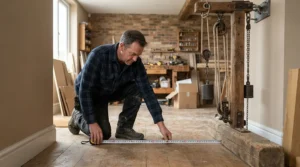
That distinction sounds pedantic until you’re standing in a UK garage with a tape measure and a 2.3-metre ceiling. Then it becomes the difference between a sensible purchase and an expensive coat rack.
The functional trainer vs cable machine decision matters because of what the equipment does. As Wikipedia’s entry on the cable machine explains, cables run through pulleys that can be fixed at any height, and a pin selects the load. That one design idea gives you flys, pulldowns, rows, presses, chops and curls from a single footprint. It’s the closest thing a home gym has to a Swiss Army knife.
This guide is a proper cable machine buying guide for British buyers. We’ll weigh up seven real products, explain what the specs mean in practice, and help you work out whether a full dual-stack functional trainer or something leaner is the right call. If you’re choosing a cable machine for home gym use, expect straight talk on space, ceiling height, cost and the features that are mostly marketing.
Everything here comes from spec comparison and published review sentiment, not hands-on testing. Where I couldn’t verify something, I say so.
Quick Comparison: Functional Trainer vs Cable Machine Picks at a Glance
Here’s the short version. The table covers five representative products from the full seven, spanning the main designs you’ll meet while choosing a cable machine for home gym use.
| Product | Design | Loading | Best For |
|---|---|---|---|
| Mirafit M4 | Dual-stack functional trainer | Two selectorised stacks | Serious lifters wanting commercial feel |
| Inspire Fitness FTX | Compact dual-stack functional trainer | Two stacks, pin-select | Smaller rooms, polished feel |
| Mirafit Functional Trainer | Plate-loaded cable pulley system | Olympic plates | Garage gyms with plates already owned |
| REP Fitness Ares 2.0 | Rack-integrated cable attachment | Plates via rack | Anyone already running a REP rack |
| NOHRD SlimBeam | Single-stack cable machine | One 90kg stack | Tight spaces, focused cable work |
Looking at the table, the Mirafit M4 and Inspire Fitness FTX are true functional trainers with two independent pulleys. The NOHRD SlimBeam is the leaner cable machine, trading a second stack for a smaller footprint. If you already own plates and a rack, the REP Fitness Ares 2.0 and Mirafit Functional Trainer let you skip buying a second stack of iron.
💬 Just one click — help others make better buying decisions too!😊
Top 7 Functional Trainer vs Cable Machine Picks: Expert Analysis
Seven products, three budget bands, and a mix of designs. Prices below are indicative bands only, so check current price on amazon.co.uk, because availability and listings vary by seller.
1. Mirafit M4 — commercial-style selectorised stacks
The standout is the stack setup. The Mirafit M4 is a selectorised dual-stack trainer with 100kg on each side, adjustable in 20 steps of 5kg, according to Mirafit’s own specification.
The 2:1 pulley ratio means the handle feels roughly half the stack weight. In practice, that’s far more useful for flys and lateral raises than a 1:1 setup. The 5kg jumps are fine for presses and rows but a touch coarse for small muscles. The bundle includes strap handles, stirrups, a rope, short and long bars and an ankle strap, so you won’t be buying extras on day one.
This is for the lifter who wants a pin-and-go gym experience and has the room for a serious machine. Based on the spec, it’s the closest thing here to a commercial setup.
Reviewers on Mirafit’s own product page (a retailer source, so read with appropriate scepticism) praise the all-steel build and straightforward assembly with the video guide. I couldn’t verify a large independent review pool.
Pros:
- ✅ Two 100kg stacks, pin-select weights
- ✅ Full attachment bundle included
- ✅ Heavy-duty steel construction
Cons:
- ❌ Large footprint and heavy delivery
- ❌ 5kg increments are coarse for isolation work
Expect a premium four-figure bracket (indicative: £2,000+). Strong value if you’ll use it daily; overkill if you won’t.

2. Inspire Fitness FTX — smallest footprint for a full dual-stack
Compactness is the headline. The Inspire Fitness FTX packs two 165lb (about 75kg) stacks into a frame that reviewers describe as notably space-efficient.
Those stacks are lighter than the Mirafit M4‘s, which matters if you’re a strong presser but is plenty for most cable work. The payoff is a footprint that suits spare rooms and converted box rooms, where a full-size trainer would eat the floor. The accessory kit means you can start training straight out of the box.
My read: this suits lifters whose main aim is exercise variety and joint-friendly accessory work rather than heavy pressing. If your ceiling is on the low side, check the height specification against your room before ordering.
Editorial roundups consistently single out the smooth, constant cable tension and premium feel. One reviewer compares it favourably with commercial gym units. I haven’t verified a large pool of amazon.co.uk customer reviews, so treat this as expert-review sentiment.
Pros:
- ✅ Compact dual-stack design
- ✅ Smooth, constant cable tension
- ✅ Accessories included
Cons:
- ❌ Lighter stacks limit heavy pressing
- ❌ Premium price for the weight capacity
Indicative band: £1,000-£2,000+. Good value if floor space is your biggest constraint.
3. Mirafit Functional Trainer — plate-loaded garage workhorse
The standout here is simplicity. The Mirafit Functional Trainer uses Olympic weight plates rather than stacks, with PVC feet to protect your flooring.
Plate-loading means you supply the weight, which makes it cheaper up front but fiddlier to change loads mid-set. If you already own plates, the saving is real. If you don’t, plates add up quickly, and that’s a cost many first-time buyers overlook.
This is for the garage lifter who owns a bar, a bench and a pile of plates and wants cable versatility without a second stack bill. It suits slower, deliberate sessions rather than rapid supersets.
Reviewers on the Mirafit product page describe it as the centrepiece of a standard single UK garage, praise its range of functions and recommend the assembly video. One notes the supplied carabiners were swapped for larger ones, and another wishes an assembly service existed. Again, retailer-hosted reviews.
Pros:
- ✅ Uses plates you may already own
- ✅ Fits a standard UK single garage
- ✅ Floor-protecting PVC feet
Cons:
- ❌ Changing weights takes longer than a pin
- ❌ No assembly service offered
Indicative band: £1,000-£2,000. Good value if the plates are already in your garage.
4. XMark XM-7626 — heavyweight dual-column functional trainer
The standout is sheer mass. The XMark XM-7626 weighs around 800lb (about 363kg) with a footprint of roughly 84 by 65 inches (about 213 by 165cm), per one roundup.
That weight means stability under heavy pulls, and it also means a dedicated room. Those footprint numbers are bigger than most UK spare rooms can comfortably swallow once you add clearance for movement.
This is for serious lifters with a proper garage or outbuilding. Beginners will pay for capacity they won’t use for a long while.
Review roundups position it as a best-overall Amazon pick for dual-column trainers and highlight smooth cable feel. I can’t confirm UK stock or a verified amazon.co.uk review pool, so check current availability and delivery terms.
Pros:
- ✅ Dual weight-stack design
- ✅ Heavy frame feels stable
- ✅ Smooth cable feel reported
Cons:
- ❌ Needs a large dedicated space
- ❌ UK availability and delivery need checking
Indicative band: £2,000+. Worth it only if you have the room and the strength to use it.
5. Force USA G3 — Smith machine and cable combo
The standout is the all-in-one concept. The Force USA G3 combines a Smith machine, pull-up bar, core trainer, suspension station and cable pulley system in a space about 6.5 feet wide.
For a small home gym, that consolidation is the attraction: one footprint, many stations. BarBend’s testers found it excels as a Smith machine and functional trainer but flagged drawbacks.
Those drawbacks are the useful bit. Larger athletes may feel cramped, and the range of motion on overhead pulling exercises is limited. That’s a genuine trade-off: all-in-one machines compromise on each station.
This is for the lifter who wants a Smith machine as the foundation and cables as a bonus, rather than the other way round.
Pros:
- ✅ Multiple stations in one footprint
- ✅ Smith machine plus cable pulleys
- ✅ Suits space-conscious setups
Cons:
- ❌ Cramped for taller or larger lifters
- ❌ Limited overhead pulling range
Indicative band: £2,000+. Fair value if you’d otherwise buy three separate machines.

6. REP Fitness Ares 2.0 — rack-integrated cable attachment
The standout is modularity. The REP Fitness Ares 2.0 isn’t a standalone machine but a functional trainer and lat pulldown-low row attachment that bolts onto compatible power racks.
That’s clever, and it’s the key limit. Breaking Muscle notes it’s only compatible with REP’s own racks, so you’re buying into an ecosystem. If you already own a compatible rack, it’s arguably the most space-efficient way to add cables, because the rack does double duty.
This suits lifters who prioritise barbell work and want cables as an add-on. If you don’t own a compatible rack, the total spend climbs fast.
Expert reviewers rate it the best overall home cable machine on versatility and compatibility. UK availability and delivery should be confirmed before you commit.
Pros:
- ✅ Shares space with your power rack
- ✅ Highly customisable setup
- ✅ Strong expert-review reputation
Cons:
- ❌ Only fits compatible REP racks
- ❌ Total cost rises without an existing rack
Indicative band: £1,000-£2,000+ for the attachment alone. Great value if the rack’s already yours.
7. NOHRD SlimBeam — slim single-stack cable machine
The standout is the slimline design. The NOHRD SlimBeam has a 90kg stack, 32 height adjustments and a variable 2:1 or 4:1 cable ratio, per Fitshop’s listing.
That ratio choice is clever. At 2:1, a 90kg stack gives 45kg of resistance; at 4:1, about 22.5kg, which is gentler and finer for rehab-style or isolation work. A single stack means one pulley’s worth of load, so you can’t do true two-handed crossovers with independent weights.
This is for the home trainee who wants cable accessory work, such as face pulls, triceps pushdowns and cable curls, without sacrificing half a room. It’s the purest answer to “do I need a full functional trainer?”
I couldn’t verify a meaningful pool of customer reviews, so judge it mainly on spec.
Pros:
- ✅ Slim footprint for small rooms
- ✅ Variable 2:1 or 4:1 ratio
- ✅ 32 pulley height positions
Cons:
- ❌ Single stack limits two-arm exercises
- ❌ Smaller stack than dual-stack rivals
Indicative band: £1,000-£2,000. Good value for small spaces; limited for heavy users.
Top 7 Compared: Specs, Bands and Best-For
| Product | Type | Loading | Indicative Band | Best For |
|---|---|---|---|---|
| Mirafit M4 | Dual-stack | 2 × 100kg stacks | £2,000+ | Heavy, daily use |
| Inspire Fitness FTX | Dual-stack, compact | 2 × ~75kg stacks | £1,000-£2,000+ | Smaller rooms |
| Mirafit Functional Trainer | Plate-loaded | Olympic plates | £1,000-£2,000 | Garage lifters with plates |
| XMark XM-7626 | Dual-column | Weight stacks | £2,000+ | Dedicated gym space |
| Force USA G3 | All-in-one | Smith + cable | £2,000+ | Combined stations |
| REP Fitness Ares 2.0 | Rack attachment | Rack-integrated | £1,000-£2,000+ | Existing REP rack owners |
| NOHRD SlimBeam | Single-stack | 90kg stack | £1,000-£2,000 | Tight spaces |
These bands are indicative and based on category research, not verified listings, so check current price. The Inspire Fitness FTX and NOHRD SlimBeam win on space, while the Mirafit M4 and XMark XM-7626 win on raw capacity. If you’re weighing the REP Fitness Ares 2.0 against the Mirafit Functional Trainer, the real question is whether you already own a compatible rack.
Functional Trainer vs Cable Machine: The Real Differences
Let’s settle the functional trainer vs cable machine question properly. The difference comes down to pulleys, stacks and freedom of movement.
A traditional cable machine usually has one stack and one pulley position, or a pair of pulleys sharing a single weight. A functional trainer gives you two independent arms, each with its own stack and its own height adjustment. That independence is the entire point.
Why does it matter? Because independent arms let your left and right sides work at different loads and heights, which exposes strength imbalances and permits true crossovers, split-stance presses and unilateral rows. A single-stack cable machine can do many of the same moves one arm at a time, but you’ll be re-setting between sides.
Then there’s the footprint. Functional trainers usually cost more and need more space, though compact models like the Inspire Fitness FTX narrow the gap. A slim single-stack such as the NOHRD SlimBeam gives you cable access for a fraction of the room.
Bottom line: choose a functional trainer if you want a primary training station and plenty of exercise variety. Choose a cable machine if cables are a supporting act to free weights.
How to Choose: Choosing a Cable Machine for Home Gym Use
Choosing a cable machine for home gym use comes down to seven decisions. Work through them in order and the right product usually becomes obvious.
- Measure your ceiling first. UK homes often have ceilings around 2.2m to 2.4m, as REP’s UK guide notes. Check the machine’s overall height plus clearance for overhead pulls.
- Decide between stacks and plates. Stacks are faster to change; plates are cheaper if you already own them.
- Check the cable ratio. 2:1 halves the felt load, 4:1 quarters it. Lower ratios suit heavy pulling; higher ratios suit isolation.
- Compare stack weight versus your strength. A 75kg stack is generous for most home users; 100kg suits heavier lifters.
- Look at pulley travel and height range. Overhead and low-row positions both need good range.
- Budget for attachments. A rope, bars and handles can add real cost if they’re not included.
- Plan delivery and assembly. These are heavy, bulky items. Confirm kerbside versus room-of-choice delivery before buying.
Cable Machine Buying Guide: Common Mistakes to Avoid
Every cable machine buying guide should include the mistakes, because they’re expensive ones.
Buying for the dream, not the room. An XMark XM-7626-sized trainer is magnificent in a showroom. In a 3-metre box room, it’s a wall.
Ignoring plate costs. Plate-loaded options like the Mirafit Functional Trainer look cheaper until you price a full set of Olympic plates.
Forgetting ceiling clearance. Overhead pulls and lat pulldowns need headroom beyond the frame height. Measure your arm reach too.
Assuming all-in-ones fit everyone. The Force USA G3 compresses multiple stations into limited space, and BarBend notes larger athletes can feel cramped.
Skipping the ecosystem check. The REP Fitness Ares 2.0 works with compatible REP racks. Buy it without one and the maths changes.
Over-buying capacity. Most home users never need a 100kg stack. Paying for spare capacity is paying for a bragging right.
Spend time on these and you’ll sidestep the regret that haunts so many home gym purchases.
Home Gym Cable System Comparison: Four Designs Explained
A proper home gym cable system comparison separates four designs. Each has a personality.
Dual-stack functional trainers such as the Mirafit M4 and Inspire Fitness FTX offer two independent arms and pin-select loads. They’re the most versatile and the most space-hungry.
Plate-loaded systems like the Mirafit Functional Trainer use your own plates. They’re economical if you’re already equipped, but loading takes longer.
Rack-integrated attachments such as the REP Fitness Ares 2.0 share a footprint with your power rack. They’re efficient but ecosystem-locked.
Single-stack cable machines such as the NOHRD SlimBeam are slim and affordable by comparison. They lose independent arms but gain floor space.
| Design | Space | Load Change Speed | Best For |
|---|---|---|---|
| Dual-stack | Large | Fast | Daily training |
| Plate-loaded | Medium | Slow | Plate owners |
| Rack attachment | Shared | Medium | Rack users |
| Single-stack | Small | Fast | Tight spaces |
Reading across the table, the trade-off is simple: more independence costs more space. Pick the design that matches your room first, and your training style second.
Exercise Variety: What a Cable System Actually Adds
Exercise variety is the hidden reason cables beat so many other buys. Fixed machines do one thing well. Cables do hundreds of things acceptably well.
On a functional trainer you can fly, press, row, pull down, curl, extend, rotate and chop, all by moving a pulley and swapping a handle. Add a bench and the list roughly doubles.
For the Mirafit M4, the included rope, bars and handles cover most of that list from day one. With the NOHRD SlimBeam, a single stack still gives you face pulls, pushdowns, curls and cable rows.
Variety also protects your joints. Adjustable angles let you find a pressing or pulling path that suits your shoulders rather than forcing them into a fixed arc. That’s a practical reason many lifters add cables as they get older.
And variety fights boredom. Swap a movement every few weeks and the programme stays fresh, which matters more than any single exercise for long-term consistency.
Resistance Training Equipment: How Cables Compare With Alternatives
Cables are only one slice of resistance training equipment. Here’s how they stack up against free weights, bands and fixed machines.
| Option | Space | Variety | Learning Curve | Best For |
|---|---|---|---|---|
| Cable system | Medium-large | Very high | Moderate | All-round training |
| Free weights | Small-medium | High | Higher | Strength and power |
| Resistance bands | Minimal | Moderate | Low | Travel, rehab |
| Fixed machines | Large | Low | Low | Beginners |
Free weights build raw strength and coordination. Bands are cheap and portable. Fixed machines are easy to learn but limited. Cables sit in the middle, offering constant tension and adjustable angles with a gentler learning curve than a barbell.
The Force USA G3 shows the hybrid approach, mixing Smith machine and cable stations. If you’re building a home gym from scratch, the best resistance training equipment is usually a mix, such as a rack, bench, dumbbells and one cable system, not any single device.

Setting Up Your Cable Machine: A Practical Usage Guide
Here’s what Amazon listings rarely tell you. A good setup makes the machine feel twice as good.
Before assembly. Clear a space larger than the machine’s footprint and lay out every part. Watch the manufacturer’s assembly video first, because Mirafit buyers repeatedly recommend it.
Floor and levelling. Use rubber matting. A level frame keeps cables running smoothly and prevents rattles.
Cable and carabiner checks. One reviewer swapped the stock carabiners for larger 10mm ones. Inspect hardware on day one.
Your first 30 days. Start light. Learn the pulley heights for each movement, and note them in your phone.
Maintenance schedule. Wipe down weekly, inspect cables and pulleys monthly, and lubricate guide rods as the manual advises.
Common first-month mistakes: setting weights too heavy, forgetting to check pins are fully engaged, and leaving cables slack between sets.
For rack-integrated options like the REP Fitness Ares 2.0, check bolts and attachment points after the first few sessions, as they can settle. Good habits here prevent most breakdowns.
Real-World Scenarios: Which Product Suits Which Buyer
Three profiles show how the functional trainer vs cable machine choice plays out in real homes.
The terraced-house trainee. A spare bedroom of about 3 by 3 metres, a ceiling near 2.3m, and a modest budget. The NOHRD SlimBeam fits the space and gives you the cable essentials. If you can stretch the budget, the Inspire Fitness FTX adds a second arm without swallowing the room.
The garage lifter. A single garage, a barbell, a bench and plenty of plates. The Mirafit Functional Trainer reuses those plates, saving money. If you already own a compatible rack, the REP Fitness Ares 2.0 is worth pricing too.
The committed strength enthusiast. A dedicated outbuilding, daily training and an appetite for heavy pulls. The Mirafit M4 or XMark XM-7626 gives you the capacity and stability.
Frequency matters here. If you train three or four times a week, the extra cost of a dual-stack machine pays back in convenience. If you train twice a week, a simpler option usually does the job.
Long-Term Cost & Maintenance: Total Ownership Compared
Sticker price isn’t the whole story. Total cost of ownership shapes the real value.
| Cost Factor | Dual-Stack | Plate-Loaded | Single-Stack |
|---|---|---|---|
| Upfront | Highest | Medium | Medium |
| Extra weights | None | Plates needed | None |
| Attachments | Often included | Check | Check |
| Maintenance | Low | Low | Low |
Dual-stack machines like the Mirafit M4 are expensive upfront but include weights and attachments. The Mirafit Functional Trainer appears cheaper but needs plates. Spread over five years of regular use, even a premium machine costs pennies per session compared with gym memberships.
Maintenance is modest. Cables are the main wear part and typically need inspecting regularly. Budget a small amount for replacement cables and carabiners over the life of the machine.
The value verdict: a machine you’ll use several times a week beats a cheaper one that gathers dust. Buy for your realistic habits, not your best intentions.
Space, Safety and UK Standards for Home Cable Gyms
Safety and space deserve their own look, especially in British homes.
Ceiling and clearance. Standard UK ceilings can be tight, so confirm total height and add room for overhead movements.
Floors. Heavy machines need solid floors. Suspended timber floors in older homes may call for load-spreading mats; check with a surveyor if you’re unsure.
Standards. Look for CE or UKCA marking where relevant and read the manufacturer’s safety guidance before use.
Guidelines and why they matter. The UK Chief Medical Officers’ guidelines advise strengthening activity on at least two days a week. A home cable system makes that easy to hit. Yet Health Club Management reports that one in three UK adults do no strength activity at all.
✨ Ready to Build Your Home Cable Gym?
🔍 Take your training to the next level with these carefully selected machines. Click any highlighted product name to check current pricing and availability. A well-chosen cable system will give you years of varied, joint-friendly workouts!
FAQ: Functional Trainer vs Cable Machine
❓ Is a functional trainer better than a cable machine for beginners?
❓ Can a functional trainer replace a gym membership?
❓ How much floor space does a home cable machine need?
❓ Are plate-loaded cable systems cheaper than weight-stack machines?
❓ What attachments should I buy with a cable machine?
Conclusion: Which Should You Buy?
So, functional trainer vs cable machine: which wins? It depends on your space, budget and habits.
If you want a main training station with maximum exercise variety, a dual-stack functional trainer such as the Mirafit M4 or the compact Inspire Fitness FTX is the stronger choice. If you already own plates and a garage, the Mirafit Functional Trainer or REP Fitness Ares 2.0 stretches your existing kit further. If space is the constraint, the NOHRD SlimBeam gives you cables without the bulk, and the Force USA G3 suits those who want a Smith machine as well.
Measure first, buy second. A machine that fits your room and your routine will outlast a flashier one that doesn’t.
✨ Your best sessions start with the right setup. Click any highlighted product above to check current pricing and availability, then get training! 💪
Recommended for You
- Single Cable Station For Small Spaces: 7 Best UK Picks (2026)
- Dual Cable Machine For Home Gym: 7 Best Buys, No Regrets (2026)
- Functional Trainer For Home Gym: 7 Proven Picks UK (2026)
Disclaimer: This article contains affiliate links. As an Amazon Associate, I earn from qualifying purchases. If you purchase products through these links, we may earn a small commission at no additional cost to you.
✨ Found this helpful? Share it with your friends! 💬🤗
